
What to Know About Becoming TV News Talent

Most people who are drawn to becoming TV news talent possess certain qualities.

They’re great storytellers, have excellent communication skills, know how to handle pressure and deadlines, are able to demonstrate integrity and humanity, and live a generally well-rounded life.

But that’s just the beginning.

What to Know About Becoming TV News Talent

TV news talent refers to broadcast anchors and reporters, meteorologists, and sports reporters. And just as in any profession, there are multiple aspects to each job and certain skills and traits required to excel.

We’ll take a look.

  1. News Reporter/Anchor

If you’re curious about becoming a reporter or anchorperson, you should know it’s much more than sitting behind a desk and reading a teleprompter. As a news reporter, you do research and conduct interviews to investigate news stories. Then you find a way to share the information in an accurate but interesting way.

You also contribute to articles and features related to any story you’re assigned. Furthermore, you must be able to determine the accuracy of any facts you gather and work with editors and producers to create on-air reports.

News reporters and anchors often work under tight deadlines and there are times you’ll need to conduct follow-up reporting on your stories. You will also need to have some familiarity with operating the technical and recording equipment needed for covering stories live and in the field.

Meanwhile, when you’re not on camera, you’ll need to possess advanced research and writing skills as well as creativity and storytelling abilities. You’ll also need an understanding of journalistic best practices and ethics – which will become more attuned with education and time working in the field.

  1. Meteorologist

If you have thoughts about becoming a broadcast meteorologist, chances are you enjoy science but also have a desire to entertain. Because this is an unusual combination, it makes you uniquely qualified to become a broadcast meteorologist.

Working as a broadcast meteorologist requires you to balance the know-how to provide essential and sometimes unpleasant information about the weather with the ability to entertain.

Working as a broadcast meteorologist is different from becoming a news anchor or reporter. As a meteorologist on the news, you’ll be responsible for more than just reporting the weather. You’ll need to provide viewers with tips to prepare for severe weather, stay abreast of any updates to conditions, and keep up with the latest scientific research and technology in your industry.

  1. Sports Reporter

If you’re hungry to dazzle an audience with your ability to analyze how a team plays, grasping offensive and defensive lines, and reporting on a specific athlete’s wins, losses, injuries, gameplay, and strategy, you may be well cut out to become a sports reporter. You’ll also have a chance to educate viewers by interviewing players, coaches, and ancillary staff – as well as engage with sports fans and the audience themselves.

But being a TV news sports broadcaster goes beyond your on-air abilities. You’ll also need to know how to operate video and audio equipment, write articles about sports news and individual games, edit your report for conciseness and accuracy, share your analysis of a game, team, or sports industry, and possibly host radio shows or podcasts with guests.

The Importance of a Great TV News Talent Agent

Even if you’re able to fulfill all of the responsibilities of any of these jobs, you’ll go much farther much faster is you hire a skilled and talented TV news talent agent.

The single most important aspect of a great agent is not one who merely gets you the best placement in the market you desire. While that’s crucial, you want an agent who will stay engaged even after you land the job you want (or the one that’s going to help you get that one).

A dedicated and serious TV news talent agent is one who:

  • Frequently asks you to send your work so that they can critique it and make you a more well-rounded reporter, anchor, or meteorologist.
  • Regularly follows up with your employer, inquiring how you can do better and how they can help you with that.
  • Is interested in nurturing your continued growth as a reporter/anchor/meteorologist and stays connected to help you grow faster in your job or, in cases where you might be faltering, even SAVE your job.

There are plenty of agents who don’t put in this extra work. They’ll even tell you it’s above their pay grade. And maybe it is. But don’t you still deserve it? (The answer is yes, yes you do.)

And you can have it.

Don’t Settle for Less

If you’re interested in becoming TV news talent, or have already started taking steps toward doing so, feel free to contact TV news talent agent Mort Meisner with any questions.

Because to be successful, you’ll need someone who cares about you before the search, during the search, and after the search to help you stay successful and foster growth as you advance.

As one of Mort’s prized clients, you’ll get exactly that.

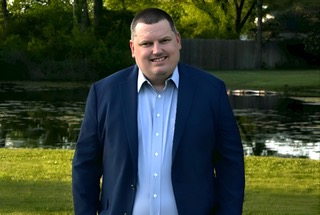
Jonathan Novack

Fast Facts

Name: Jonathan Novack
Market: N/A
Current Station: N/A
Current Title:
Preferred Title: Meteorologist
Experience: 10+ Years

Agent Name: Steve Koles
Agent Phone: (248) 545-2222
Agency: Mort Meisner Associates
Print Resume


Contact

  • This field is for validation purposes and should be left unchanged.

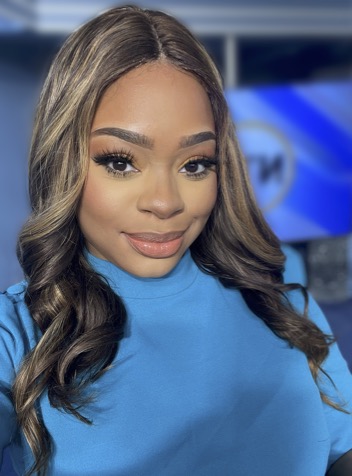
Neydja Petithomme

Fast Facts

Name: Neydja Petithomme
Market: #36
Current Station: WLOS
Current Title: Reporter
Preferred Title: Reporter
Experience: 5 years

Agent Name: Mort Meisner
Agent Phone: (248) 545-2222
Agency: Mort Meisner Associates
Print Resume


Contact

  • This field is for validation purposes and should be left unchanged.

Sage Advice from Long-Time TV News Talent Agent

Are you in the early years of being a broadcast news anchor, reporter, broadcast meteorologist, or sports reporter?

If so, you likely possess the ability to deliver an interesting story in a concise and compelling way. And you probably have the personality and the flair to resonate with your audience. After all, these are obvious requirements to succeed in the world of TV broadcasting.

Yet, many folks who are newer to the broadcast news business find themselves stalled out and wondering why they’re not progressing. It doesn’t take long before they’re seeking advice from long-time TV news talent agent, Mort Meisner. Below are just four nuggets of wisdom he often shares:

  1. Your Demo Reel Should Reflect YOU

A lot goes into coming up with a great demo reel for TV news talent. And your current demo reel may not be highlighting your talents in the best light.

Mort frequently reminds TV news talent that while there are guidelines for making demos, there are no steadfast rules. He does have certain recommendations he offers news talent depending on their career goals.

For example, for an anchor reporter, the reel should be in the 13- to 15-minute range. Mort advises a montage that’s about 50% stand-ups in the field and 50% shots at the anchor desk. After that, the talent should lead the demo with two blocks showcasing his or her area of reporting.

Meanwhile, the average demo for a reporter should be a little shorter at about 9-10 minutes. It should begin with a very dynamic minute and a half to two minutes of montage with active, engaging stand-ups demonstrating shots of walking and talking. This should be followed by three or four packages, preferably with live wraps. It’s critical that the reporter be in the story. Hard news reporters should also include a super feature story.

  1. Don’t Resort to Clickbait Journalism

Discouraged by the withdrawal of viewers, there’s an appeal to draw them back with clickbait headlines or overly in-depth reporting. Mort tells aspiring talent that this is a guaranteed way to get noticed by TV news talent agents. But for all the WRONG reasons. And he assures them they’ll have a hard time getting placed with any respectable news outlet.

Good broadcast journalists with integrity prioritize facts over sensationalism and provide analysis and context that go beyond the headlines. They focus on stories that are of interest to the public and hold powerful entities accountable.

  1. Demand Integrity and Truth

In the same vein as not resorting to clickbait journalism, Mort stresses to his clients the importance of uncovering the facts and presenting them with integrity and truth. He often recalls one of the biggest stories he would cover – the Tonya Harding/Nancy Kerrigan attack in 1994.

Incredibly well-connected, Mort knew Detroit Police Chief Ike McKinnon and used him as a source on every aspect of the story. With McKinnon’s intelligence and the skills of investigative reporter Scott Lewis, Mort’s CBS affiliate station in Detroit was uncovering the whole bizarre and twisted plot while national and international media circles couldn’t figure out how they were getting the story before everyone else.

When the CBS network questioned the veracity of the crazy story and asked Mort for his sources, he refused. They threatened not to broadcast the story, to which Mort responded, “Fine. Don’t use the story.” So they didn’t. And even they they were the competition, Mort gave it to NBC instead. He knew the facts needed to be presented.

  1. Be Patient!

There’s nothing wrong with being ambitious and aiming to be the best.

But the news industry can be brutal. And for novice TV news reporters and meteorologists, it can be especially daunting. The inclination to grab whatever opportunity comes their way can be very tempting.

And this is understandable. They want to get ahead, make a name for themselves, and, of course, enjoy the financial benefits that come with a higher-paying job. As Mort has witnessed, however, such impatience can result in career issues and even disaster. He calls this “short-term gain in long-term pain.”

He’s watched as many truly talented people blow up their careers because they simply weren’t ready for the job(s) they landed. So he always advises talent to be patient and stay somewhere an extra year on an extension or even two years on a new contract if it’s going to benefit them in the long run.

Because, well, that’s his job.

Seeking More Advice from Long-Time TV News Talent Agent Mort Meisner?

Moving forward in your career should never be only about making more money. A great agent will ask you to consider whether your next career move is the best choice for you on many different levels. And then he or she will be there to guide you every step of the way.

In addition, an excellent agent is unafraid to tell the talent what they need to hear versus what they want to hear because he or she knows it will benefit the talent in the long run.

So if you want that sort of guidance and caring advice from long-time TV news talent agent Mort Meisner, then contact him today. He’s always eager to help in any way he can.

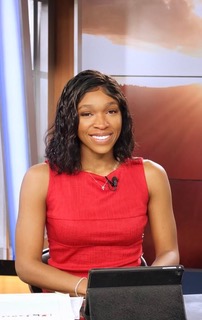
Edward Moody

Fast Facts

Name: Edward Moody
Market: #96
Current Station: WBTW
Current Title: Anchor
Preferred Title: Anchor
Experience: 10+ Years

Agent Name: Steve Koles
Agent Phone: (248) 545-2222
Agency: Mort Meisner Associates
Print Resume


Contact

  • This field is for validation purposes and should be left unchanged.

Looking to Get Back into the News Business?

Sure, there will always be TV news talent who have been in the ‘biz’ for seemingly ever. It’s the woman whom viewers have watched go from a young upstart to an established anchor. Or maybe it’s the well-known meteorologist whom viewers can barely remember as that shy guy at the beginning of his career.

This isn’t how it works for everyone though.

So if you’re a TV news reporter, anchor, meteorologist, or sports reporter looking to get back into the news business after some time away, you’re definitely not alone. And the most important thing you can provide to potential employers is an up-to-date demo reel.

Is a Demo Reel Really That Important?

Yes! As they say in the business, no demo, no job. That’s just a cold, hard fact. No matter how long or in what capacity you were previously working as TV news talent.

And your demo should be as current as possible. In other words, it should reflect the most recent material you did from your previous station as well as anything new that you shoot.

Now, if you’ve been out for a year or less and you updated your reel while you were still working, you can use your current reel. (Regularly updating your reel is important so that you have a reel ready in the event you are suddenly let out of a contract, you’re let go, or if you quit for personal reasons.)

If, however, you’ve been out for several years, you’ll need to cut a new demo. That means you’ll need to hire a service to help you and possibly use some old videos along with any new material you create.

The reason is simple. You may look different, and your skills may not be the same. And at the end of the day, nobody wants to see material that is outdated when applying for a job. It does not give an accurate representation of who you are now.

Are There Rules for Making a Demo Reel?

There are guidelines, but not steadfast rules for making demo reels. Experienced TV news talent agents typically offer certain recommendations to talent based on their career goals.

If you’re an anchor reporter, your reel should be in the 13- to 15-minute range. While montages are usually ill-advised for actors, this is not the case for news talent demo reels. As such, a montage that’s about 50% stand-ups in the field and 50% shots at the anchor desk is often advised. You should lead the demo after that with two blocks that showcase your area of reporting.

For a reporter, the average demo reel should be a little shorter, at about 9-10 minutes. It should begin with a very active minute and a half to two minutes of montage with active, engaging stand-ups demonstrating shots of walking and talking. This should be followed by three or four packages, preferably with live wraps. It’s critical you are in the story. If you’re a hard news reporter, you should also include a super feature story.

Are You Looking to Get Back into the News Business?

If you’re looking to get back into the news business, having a TV news talent agent can be incredibly helpful in opening doors for you.

A responsible agent can advise you on best practices for your reel. Furthermore, if you went on hiatus for important personal reasons, your agent can vouch for you, making potential bosses more sympathetic to your plight.

So if you’re ready to dive back in, contact longtime TV news talent agent Mort Meisner today. With over 30 years of experience, he has the skills and the connections to get you back on the broadcast news track.

Nationally-Renowned TV News Talent Agent Continues to Give All to His Clients

Being a TV news talent agent can be grueling work – both mentally and physically. And for many agents who have been doing the work for a couple of decades, they start slowing down, phoning it in, or simply retire.

Not nationally-renowned TV news talent agent Mort Meisner. With more than 30 years under his belt, Mort continues to be as engaged with his clients as he was when he first started – going the extra mile in placing clients where he knows they will thrive.

But for many news reporters, meteorologists, and sports reporters, this often means taking jobs in smaller markets as they hone their skills and build a name for themselves, all with Mort’s help.

The Story of Aaron Parseghian

Many young men and women come to Mort with the dream of working in their hometown. For some of these folks, their hometown is in a larger market like New York, St. Louis, Cleveland, or Detroit. For them, the journey often takes a little longer.

This is how it worked for Aaron Parseghian. His dream was to return to his hometown of Boston.

When Aaron signed with Mort, he was in Grand Rapids. He shared with Mort his desire to work in Boston, and Mort told him he’d need one stop before having a chance there. Aaron listened to and trusted Mort, so he accepted a position in Tampa. He would spend a few years there, gaining experience in this larger market while he and Mort put together a fantastic demo reel. One that would make him especially attractive in Boston.

He would stay in contact with Mort, asking for his advice and guidance every step of the way.

The Benefit of Working with a Nationally-Renowned TV News Talent Agent

Mort believes it’s crucial that agents be upfront and honest with clients about whether they’re good enough (or will likely ever be good enough) for their hometown or dream market. In many cases, reporters or meteorologists might have what it takes to get to their dream market, but are unwilling to accept that it takes time. And without a willingness to learn and be coached in order to grow, they may never get there.

With so many years in the business, Mort could see that Aaron was a dedicated and hard worker and that he did have what it took. And it didn’t take long for Aaron to recognize that he had made the right decision in signing with Mort. In his words:

“Mort is an absolute rockstar and exactly the kind of person you want in your corner. He’s been both my agent and my friend for over three years now. From the start, he turned my goal of reaching a top 20 market into reality, quickly lining up interviews and securing an offer in Tampa that he successfully negotiated up.

When I set my sights on an even bigger goal, returning to my hometown of Boston, Mort was relentless. He made sure I was in front of the right people, coordinated interviews, and kept pushing through every hurdle until we landed the right fit.”

Of course, even though Aaron had developed an impressive reel, there still needed to be an actual opening in Boston.

Landing the Job in Boston

In the final year of Aaron’s contract in Tampa, Mort worked tirelessly with his ear to the ground trying to find not just any job in Boston, but the right one for Aaron. Meanwhile, Aaron continued to hone his skills and deepen his experience as a reporter.

Mort knew eventually they’d find someone in Boston who would fall in love with Aaron. As it turned out, two stations were interested in him. But there was only one job that was right for Aaron. The stars aligned and Aaron is heading back home where he’ll begin the first week of August at CBS-owned and operated station WBZ in Boston.

Aaron and Mort both credit the hard work each put into landing Aaron this well-earned and well-deserved position. It’s a true testament to teamwork.

Looking for a TV News Talent Agent Who Will Put You First?

As Aaron says of nationally-renowned TV news talent agent Mort, “I’m incredibly grateful for his unwavering dedication and hustle, and I look forward to continuing our partnership for years to come.”

If you’re a reporter, meteorologist, or sports reporter aiming for a new market but feeling stuck, contact Mort today.

And get ready to see what he can do for you.

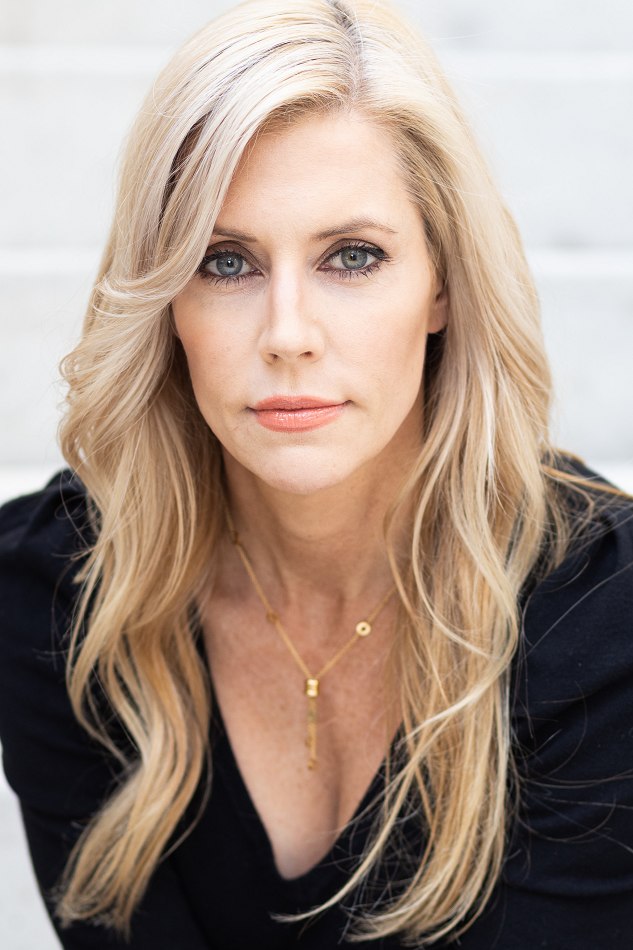
Brooke Williams

Fast Facts

Name: Brooke Williams
Market: #123
Current Station: KATC
Current Title: Executive Reporter
Preferred Title: Anchor/Reporter
Experience: 9 Years

Agent Name: Steve Koles
Agent Phone: (248) 545-2222
Agency: Mort Meisner Associates
Print Resume

Contact

  • This field is for validation purposes and should be left unchanged.

National Vs. Local Broadcast News – Which Is Right for You?

If you’re considering working as a broadcast news anchor, reporter, meteorologist, or sports reporter, you may have questions about national vs. local broadcast news in terms of getting a job.

In both cases, having the ability to deliver an interesting story in a concise and compelling way is an obvious requirement. And you need to have the personality and the flair to resonate with your audience.

But there are some distinct differences between being a national news personality and a local one.

Local Vs. National Broadcast News

Even though the industry is evolving and adapting to the presence of online news, it still attracts bright and driven people on both the local and national levels. So which is right for you?

Broadcasting both locally and nationally is exciting work. This will give you a chance to be right in the action. Working in a newsroom, your job is dictated by deadlines. And you want to deliver the best story within the parameters of those deadlines.

When you’re not on camera, you’ll need to possess advanced research and writing skills as well as creativity and storytelling abilities. In addition, in both cases you’ll continue to broaden your knowledge on all sorts of topics and you’ll likely learn something new every day. There are some differences though.

Reach and Scope

National broadcasters have an audience of millions and can therefore have a part in shaping public opinion that could have a positive impact on society.

Meanwhile, as a local journalist, it’s your job to know what’s happening in your community and the people who keep things running. This makes you more deeply connected with where you live and the people around you. You know the intricacies of your community in a way that most don’t.

Opportunity to Meet Interesting People

As both a local and a national broadcaster, you will have the chance to meet interesting people. As a local news broadcaster, you’ll interview a wide range of diverse people who hail from a variety of backgrounds in your community. At the national level, you may be interviewing some very well-known and influential people who are changing the societal landscape.

This is an invigorating aspect of the job for those who are highly social. It’s energizing to be around and hear the stories of people from all walks of life.

Recognition

A national broadcast journalist is more likely to be recognized because of the sheer scope of their audience. But local broadcasters are quickly recognized in their communities where they’re making a direct impact.

In both cases, broadcasters interact with public figures, government officials, and other experts to expand their professional network.

Chance to Travel

Local broadcast news journalists have more of an opportunity to be out and about in the community than national broadcasters. It may not be every day, and it varies from job to job, but chances are you’re not going to be sitting in the same spot 40 hours per week.

At the same time, if you’re not as inclined to be out on the streets and would rather be part of a fast-paced environment and team that delivers timely and crucial information on a more erratic schedule, national news broadcast journalism may be more up your alley.

Ready to Explore a Possible Career in TV News?

If you find the perks of being in local broadcast news appealing, be sure to check out our blog on how to pursue these careers.

And if you’re already established in the business and are looking for a highly experienced TV news agent to take you to the next level, contact us today.

We’re all about the integrity in the news.

Sydney Gray

Fast Facts

Name: Sydney Gray
Market: #51
Current Station: WMC
Current Title: Anchor/Reporter
Preferred Title: Anchor/Reporter
Experience: 9 Years

Agent Name: Steve Koles
Agent Phone: (248) 545-2222
Agency: Mort Meisner Associates
Print Resume

Contact

  • This field is for validation purposes and should be left unchanged.
