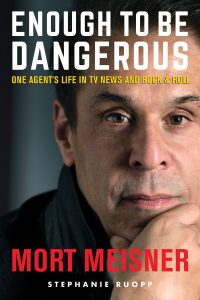
As one of the top TV news talent agents in the country for over three decades, Mort Meisner is an authority on what’s considered fireable offenses for broadcast TV.
He’s had to help a handful of clients over the years who have (inadvertently or otherwise) committed some of these offenses and were seeking guidance in starting anew. It hasn’t been easy.
As far as what is considered a fireable offense, there are two different categories. The first falls under breaches of employer/network policies and professional ethics. The second involves violations of Federal Communications Commission (FCC) regulations – which have gotten a little more difficult to parse out in the past year.
Employer and Ethical Fireable Offenses for Broadcast TV
Since this first category is a more clear-cut, we’ll start here.
Any TV news talent – be it a reporter, anchor, meteorologist, or sports reporter – is subject to internal network or station policies. Failure to comply can lead to termination. The following offenses can be fair game for firing:
Slander/Libel
Steering clear of slander and libel is Broadcast Journalism 101. Or it should be. Making malicious false statements for the sake of causing economic harm or tarnishing an individual’s or company’s reputation can mean major lawsuits for the station. And you can bet this is something they’re not going to tolerate.
Breaching a Conduct Clause
Some on-air TV news talent have contract clauses that cover their behavior outside of work. These include big actions like public scandals and arrests. But they also cover what may appear as lesser offenses such as inappropriate comments on social media. For younger talent who have grown up on the internet, they’re not always aware of this pitfall.
Poor Performance
Sometimes, newer or greener talent is under the impression that just because they have a contract, they can’t be fired. There are, of course, nuances to this. But consistent low ratings, frequent on-air mistakes, lack of productivity, and/or insubordination are all grounds for termination. This is especially true for non-union “at-will” talent.
Misconduct in the Workplace
We hope it goes without saying (but are saying it anyhow), appalling behavior in the workplace is a fireable offense. Among the zero-tolerance offenses on this list are violence, sexual harassment, and time theft.
Violating Journalistic Ethics
A well-educated and versed broadcast journalist knows that using more than one VERIFIABLE source is crucial for any story with a serious allegation. Additionally, conveniently leaving out key facts or engaging in political activities that compromise impartiality, and therefore the news organization’s credibility, can also lead to firing.
FCC Regulations Non-Compliance That Can Lead to Termination
The FCC, at the date of the post, at least, cannot directly fire individuals. But they can fine stations or revoke their license for certain violations. And this, in turn, translates to fireable offenses for both on-air talent and management.
Now, it’s important to note that here in 2026, we’re living in a time where the line between truth and reality is tremendously blurred. And there’s a wealth of mis-, dis-, and malinformation out there obscuring the facts.
So with that disclaimer in mind, we’ll look at what the key FCC has, in the past, considered violations that could lead to fireable offenses:
Broadcasting False Information
No broadcaster should air false information about a crime or catastrophe if s/he knows the information is false and it could cause substantial public harm, such as diverting emergency services.
Intentionally Distorting the News
The FCC claims it does not intervene in journalistic judgment and has considered intentionally slanting or rigging the news as a “heinous act against the public interest.” Documented evidence from someone with direct personal knowledge can prompt an FCC investigation.
Broadcasting Obscene Content
Now that we got one and two out of the way, we land on the violation of broadcasting obscene content. But what is considered obscene? Well, to be ruled obscene, content must meet a three-pronged test. First, it appeals to an average person’s prurient interest. Second, it depicts sexual conduct in a patently offensive way. And finally, it lacks serious literary, artistic, political, or scientific value. Again, making these judgments has become something of a grey area.
Broadcasting Indecent or Profane Content
Indecent content that depicts sexual or patently offensive activities is considered indecent. Profanity is defined as content that’s grossly offensive enough to be considered a public nuisance. Indecent and profane content is prohibited on broadcast TV between 6 a.m. and 10 p.m.
Contest Violations
Finally, stations are required to accurately disclose the material terms of any contest they run and conduct it as announced. Misleading or rigged contests can lead to FCC fines. This one seems pretty straightforward. Go figure.
Are You a Broadcast Journalist Seeking Guidance?
The world of broadcasting is a tricky one right now. Especially where federal oversight is involved. Even so, what are considered fireable offenses in broadcast TV, as they pertain to ethical workplace practices, have not changed much.
So if you’re a broadcast journalist who insists on doing what’s right and working with only a highly ethical and upstanding TV news talent agent, then contact Mort Meisner today.
Mort will provide effective guidance and advice while doing everything in his power to keep your career on the right path.